Exploring Carbonization: The Path from Ancient Pyrolysis to Modern Energy Solutions
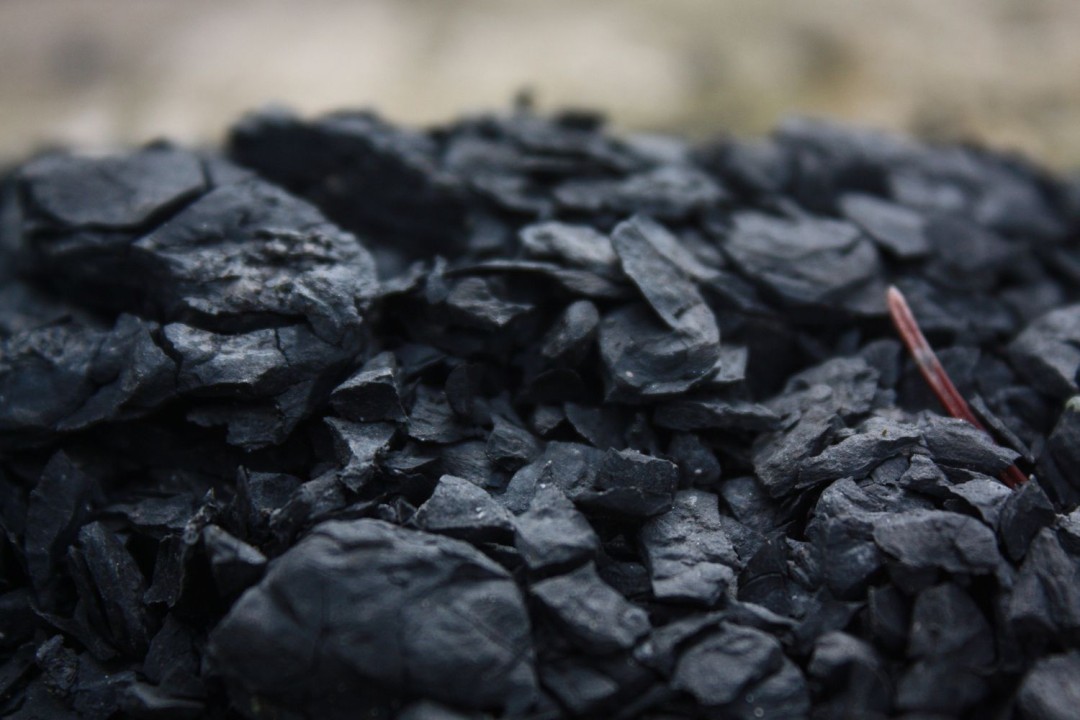
Carbonization is a natural geological process in which buried organic material is transformed into coal over millions of years under heat and pressure. This process results in the formation of carbon-rich materials crucial for energy production.
Historically, humans discovered pyrolysis, an early chemical process used to convert wood into charcoal by heating it in an inert atmosphere. Charcoal offered superior burning properties compared to raw wood, marking an early advancement in human energy utilization.
The late 18th century saw a paradigm shift as people realized the potential to convert energy into heat for various applications. Coal became a key energy source due to its abundance and high energy density, fueling the Industrial Revolution. However, the finite nature and environmental impact of coal necessitated the search for alternative energy sources.
Modern carbonization techniques, such as pyrolysis, gasification, torrefaction, and hydrothermal carbonization, aim to enhance the energy content of biomass. These processes involve heating organic materials in an inert environment at varying temperatures, resulting in fuels with improved energy properties. Despite their promise, achieving commercial viability remains a challenge.
Torrefaction involves heating biomass to temperatures between 300°C and 400°C, enhancing energy density by removing low-energy components. Supported by the Indian government, torrefied pellets are being used alongside coal in thermal power plants to improve efficiency and reduce environmental impact.
The commercial viability of torrefaction and similar processes is hindered by low profit margins. Achieving the necessary high temperatures often relies on conventional fuels, leading to inefficiencies and increased costs. To address these challenges, ongoing research focuses on optimizing these processes, reducing energy consumption, and integrating renewable energy sources.
The future of energy lies in balancing technological innovation, economic viability, and environmental sustainability. By improving the efficiency of carbonization processes, we can develop viable alternatives to fossil fuels and pave the way for a more sustainable energy landscape.